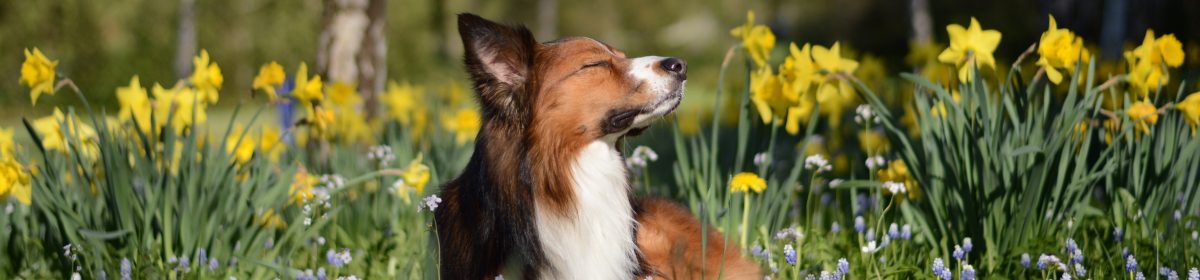
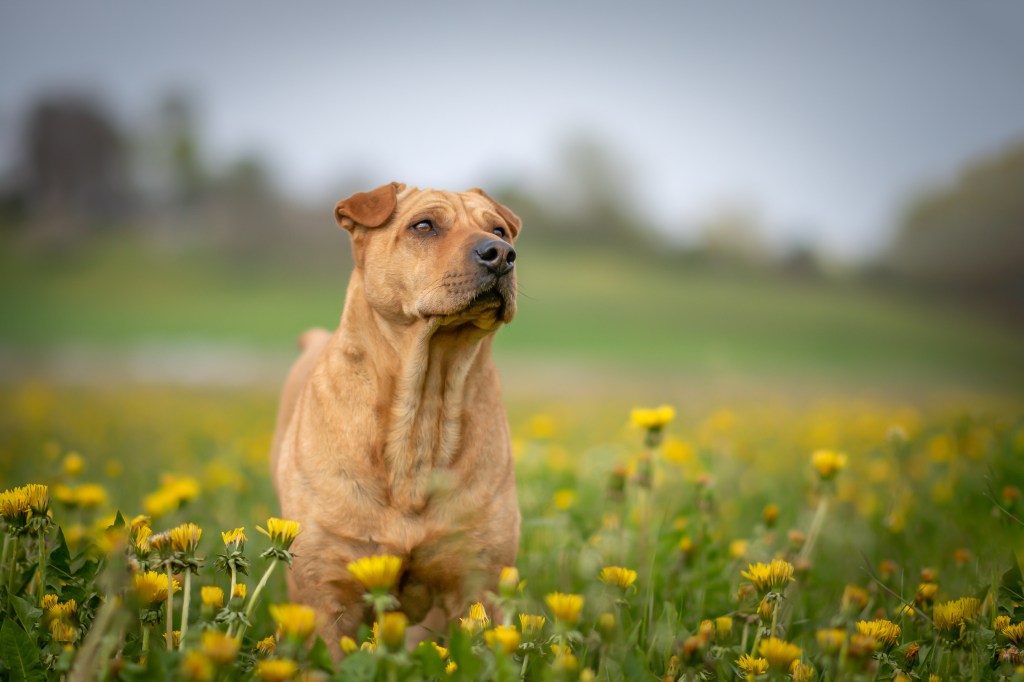
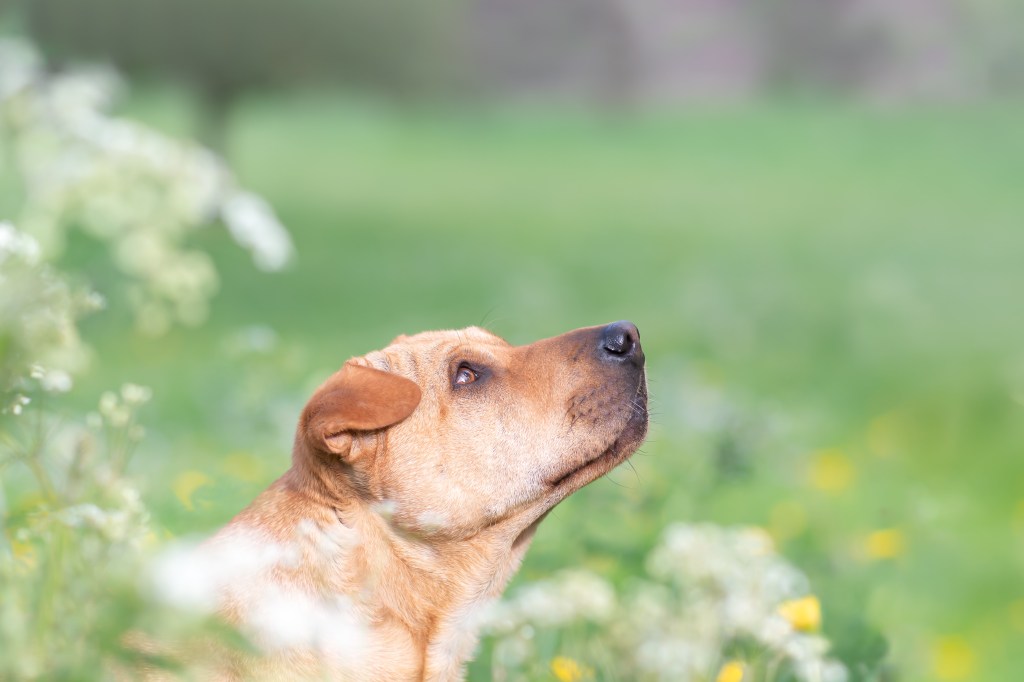
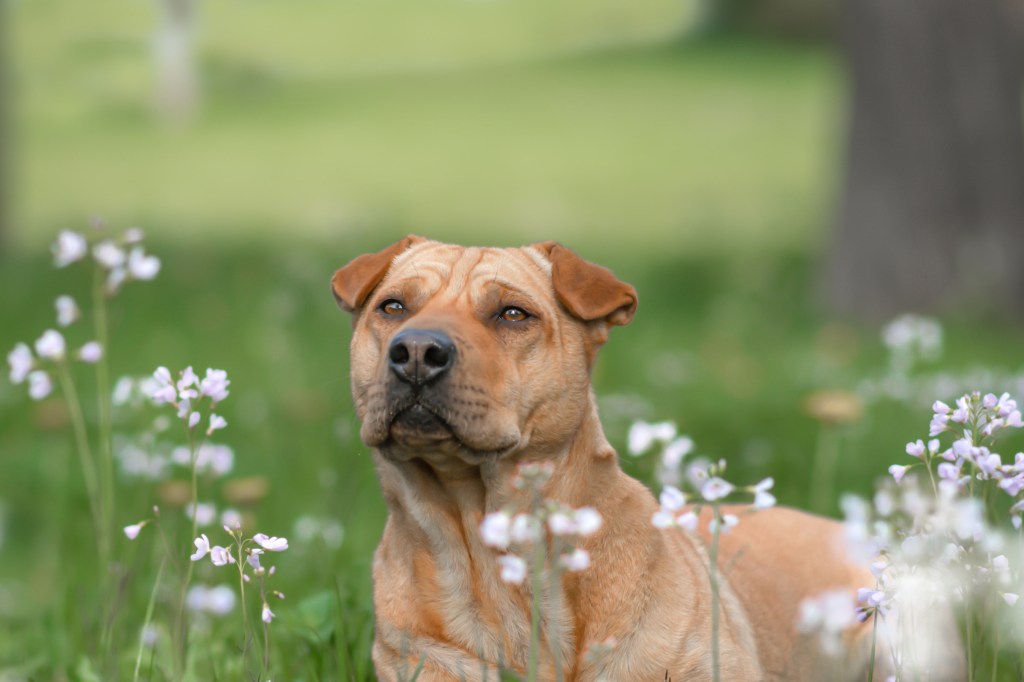
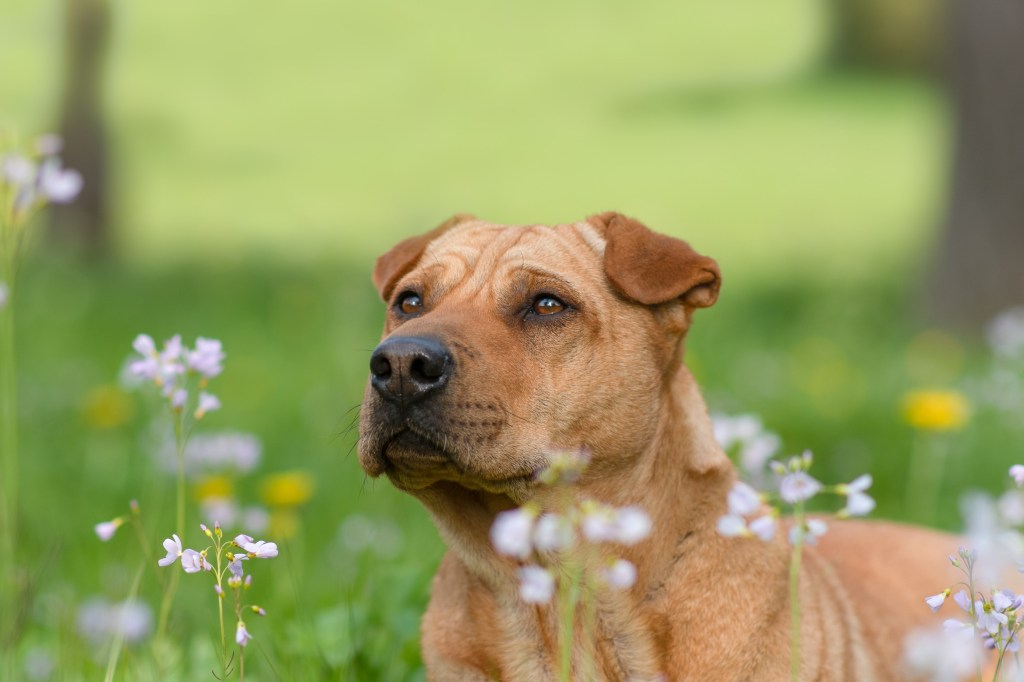
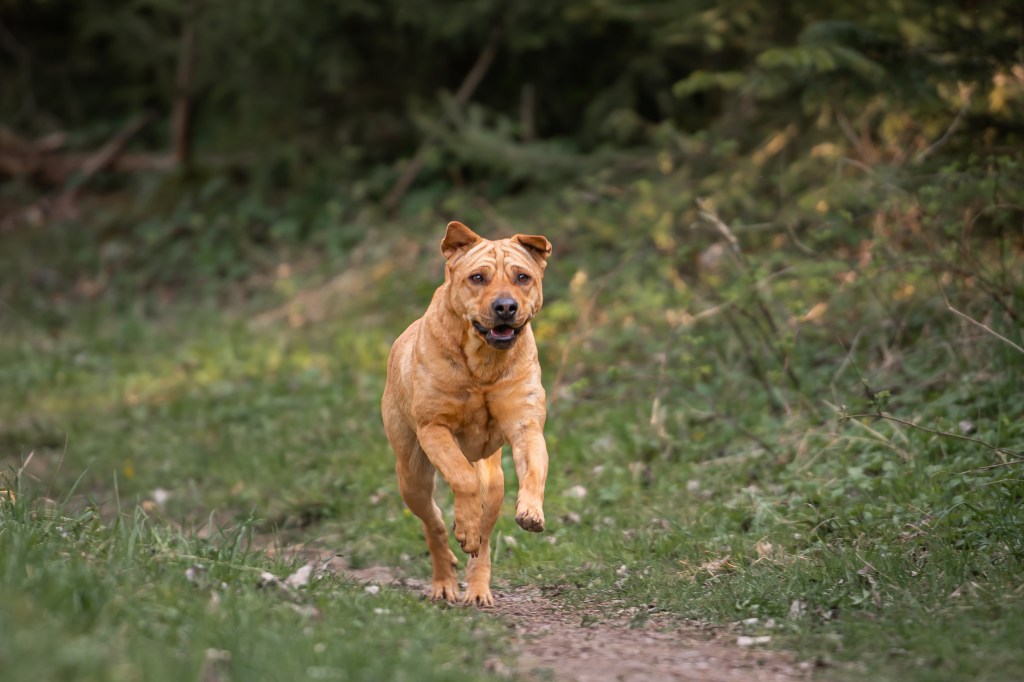
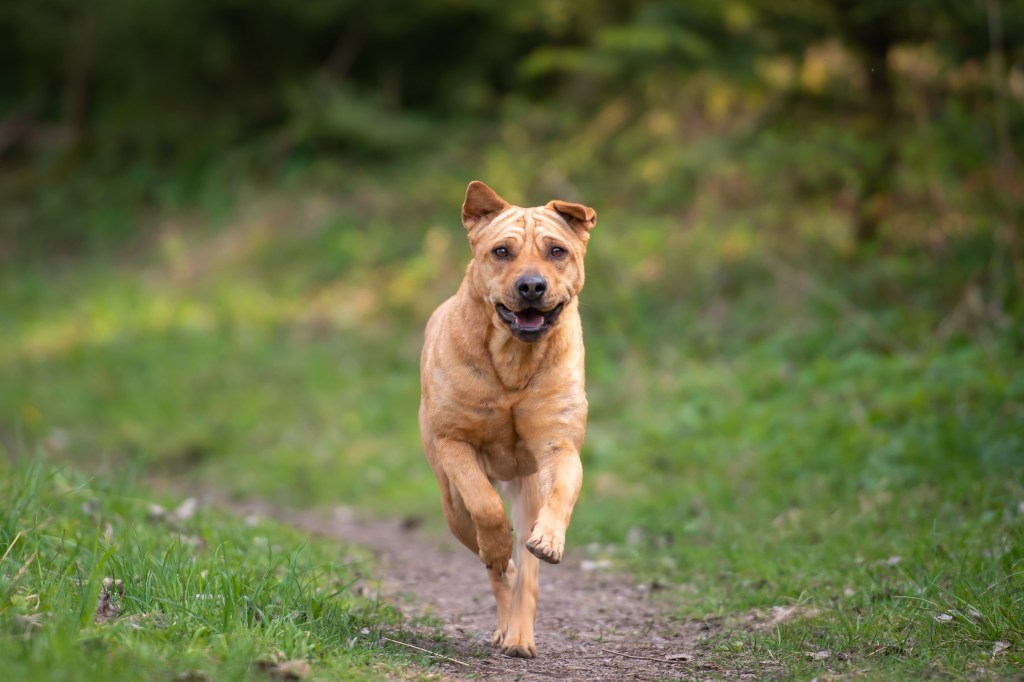
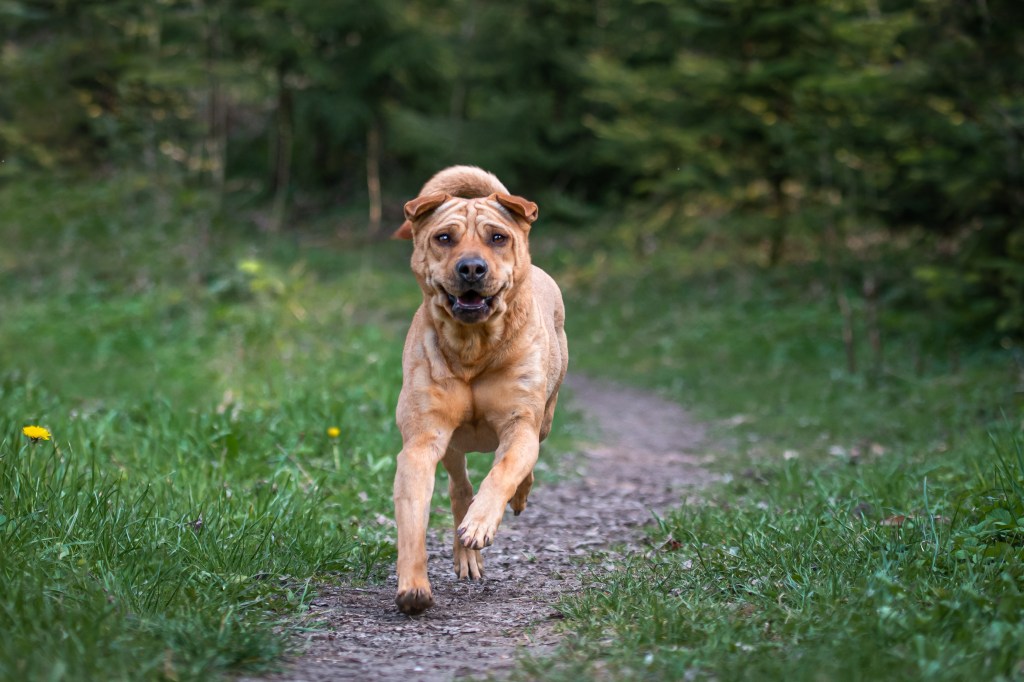
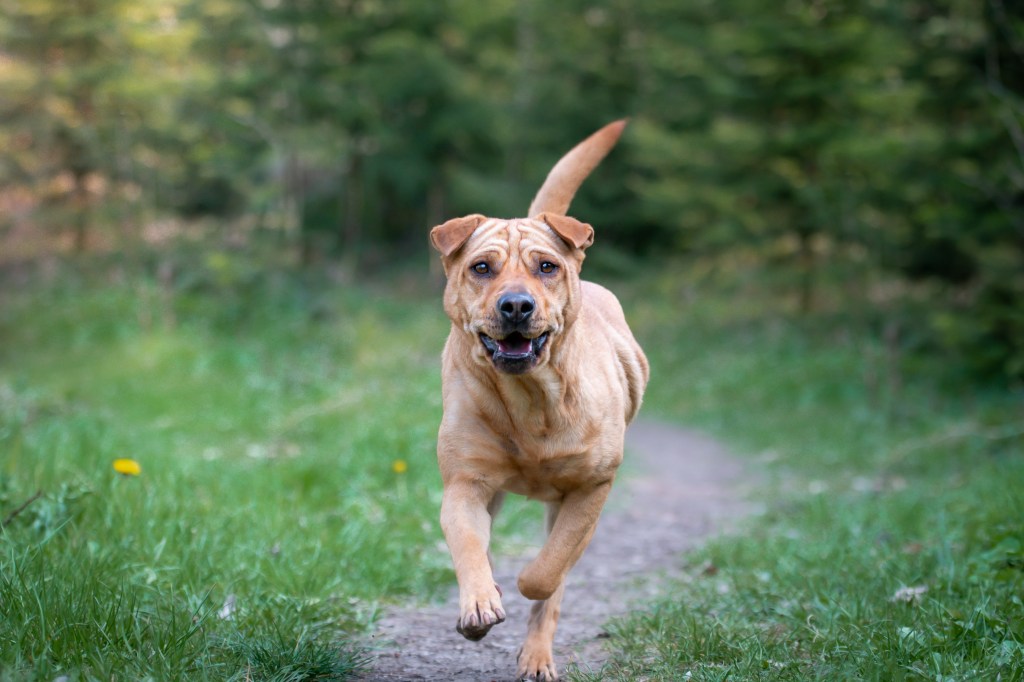
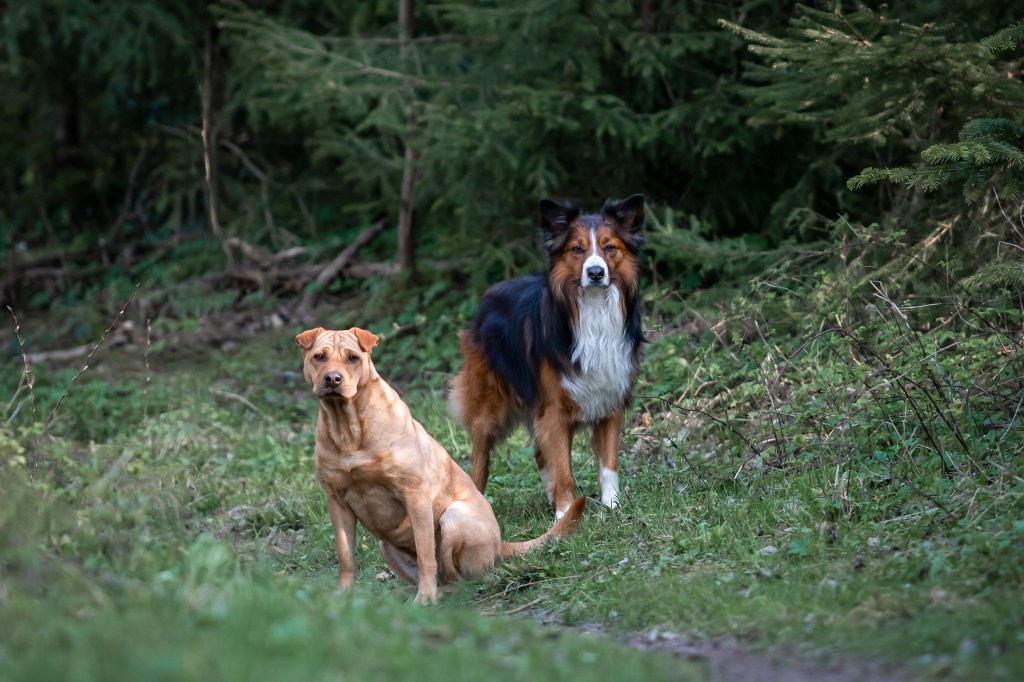
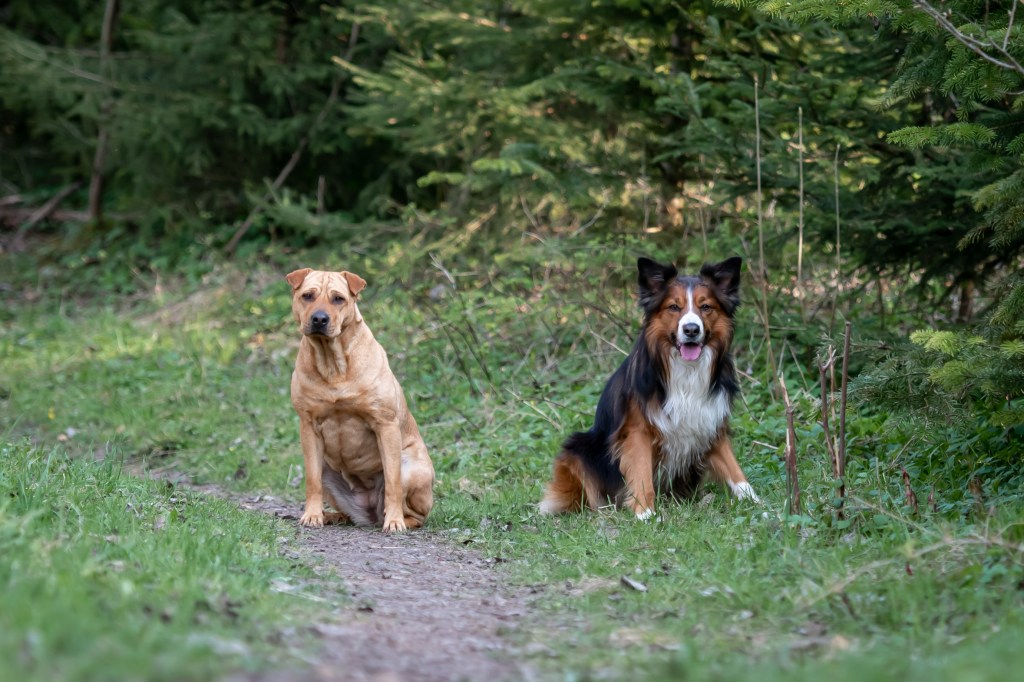
Bonnie has been a close friend to Aramis for quite a while now. They are very different, but she is the type of dog I know he will like: female, mellow, confident and settled in her ways. She is a wonderful dog and even though she is a cross, to me, this is what Shar Peis should look like.

The Shar Pei is one of those breeds that is truly old and predates the 19th-century ‘pure-bred’ craze, when the overwhelming majority of our modern breeds was created. Incidentally, the nineteenth century is also when the usually long and intricate narratives of how ancient these breeds are, were created. In the case of the Shar Pei, however, the tale of their long-standing history seems to match up with what historical and genetic evidence can tell us. The same is true for the Chow-Chow by the way, another Chinese breed, and a relation to the Shar Pei.
Nonetheless, it would be naive to assume that the Shar Pei – or any other breed, for that matter – was completely left unchanged since it was exported to the West, registered as a breed in a Kennel Club and bred according to a standard. You may understand why breeding to a certain standard or rather, a story, an idea, can become appealing when considering what a Shar Pei ought to look like. As stated by a number of websites (none of which give adequate reference to the actual, original source, of course, which makes me suspect that this is just yet another, if very attractive, myth) the dog’s ‘original Chinese standard’ (whatever that may be) seems to demand that a Shar Pei
should have a head shaped like a melon, a mouth like a mother frog, clam-shaped ears, a face like a grandmother, a neck like a water buffalo, a body like a fish, a back like a shrimp, all coupled with horses’ buttocks on dragon’s legs with feet like garlic.
(https://www.yourdog.co.uk/dog-breeds/shar-pei-dog-breed-profile/)
Now, who wouldn’t want to own and breed a dog like that?
Myths – and I will keep calling it a myth until I am shown reliable evidence that credibly suggests the opposite – are attractive. In this case, the breed, not the individual dog, now comes to stand for a better, higher principle: an entire, special group of dogs with a shared heritage, a meaningful history and of course a long and ancient line of important ancestors. People love a good tale of origins – not only to tell them about themselves, but also about their best four-legged companions. Whether the dog is seen as having a endless line of noble ancestry just like its owner or, perhaps, compensates for the alleged lack of meaningful blood in its owner, it increases the animal’s purpose, value and meaningfulness in this world. It is not particularly surprising that what humans have been trying to find for themselves must be of equal significance when it comes to their pets.

The only somewhat trustworthy Chinese Breed Standards I managed to find dated from 1996 and 1999 and apart from mentioning that the Shar Pei ought to have a nose like a hippo, I could find no reference to dragon legs, feet like garlic or anything else of the sort.
Nowadays there are two varieties of the Shar Pei to be found: whereas the ‘meat-mouth’ type represents the dog most of us will be more familiar with, carrying an excess amount of heavily wrinkled skin, the ‘bone-mouth’ type is much more athletic and moderate, with fewer and lighter wrinkles.
It is important to note that meat-mouth Shar Peis are prone to all sorts of diseases, most of them related to their loose skin. They often suffer from allergies, and will develop chronic eye, ear and breathing problems. Just as with other extreme breeds, vet bills will usually soar. Worse than the high financial risk that owning such a dog can (and more often than not will) mean is the fact that the animal will suffer throughout its life due to a contorted presupposition of what heritage and beauty are.
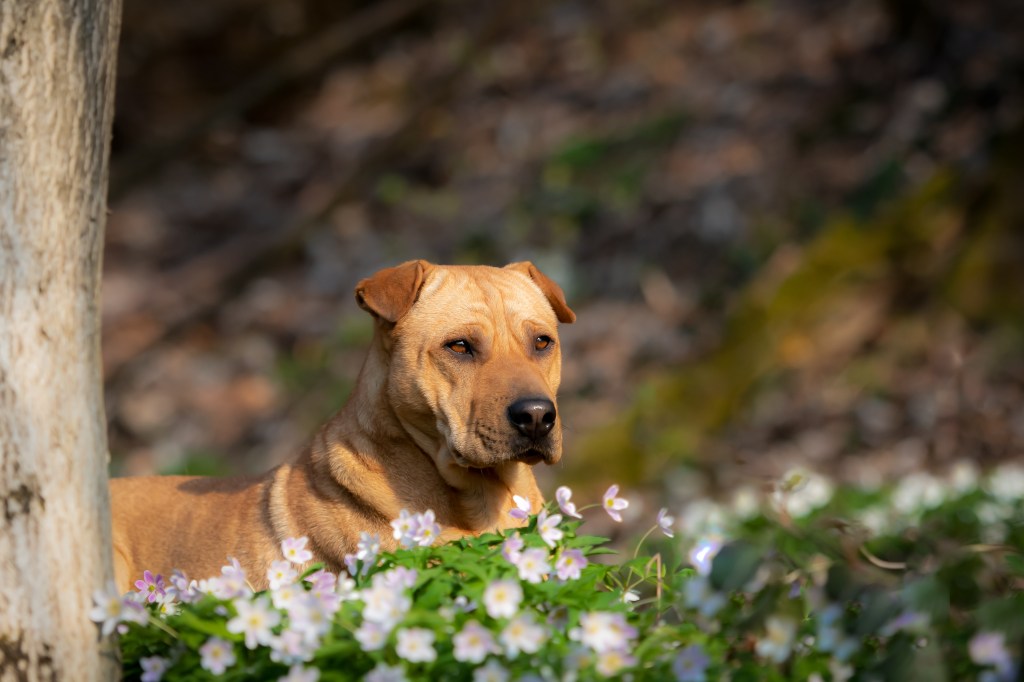
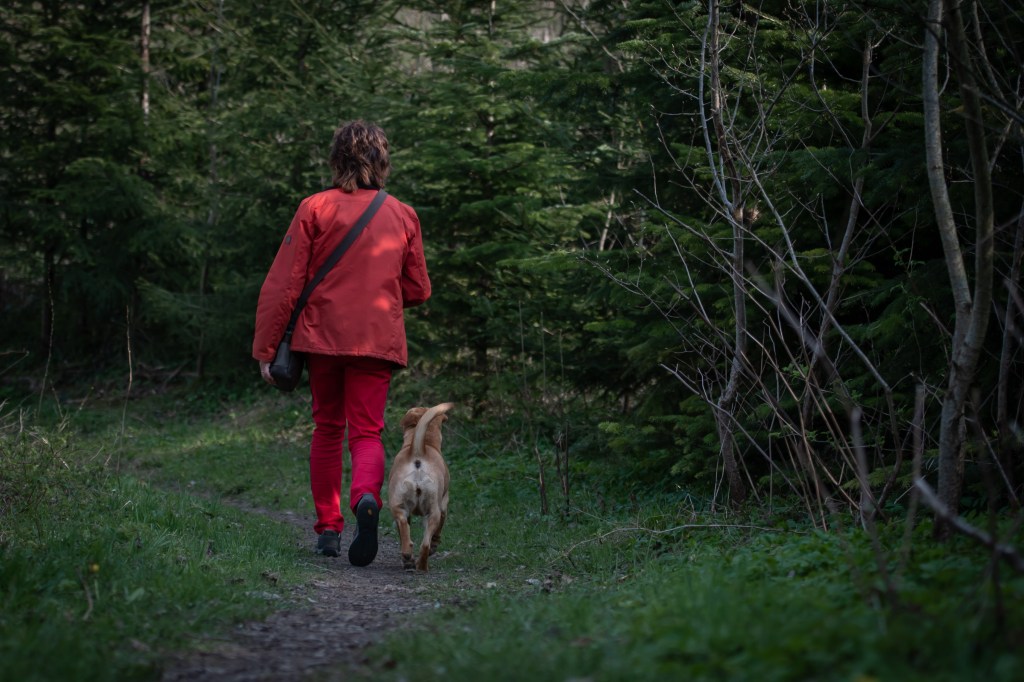
Bonnie, however, is very moderate in appearance, and would be considered very underdone even if she was a bone-mouth Shar Pei. Her story is different to that of the average Shar Pei, even if she gives me the reason to discuss the breed in this blog entry. She was rescued from a shelter in Spain and is friendly and agreeable with everyone. She lives with cats, but likes chasing them outside, though she won’t harm them. Her tongue has blue spots, which again speaks for her Chinese origins, as blue tongues are a desired trait both in the Chow-Chow as well as the Shar Pei.

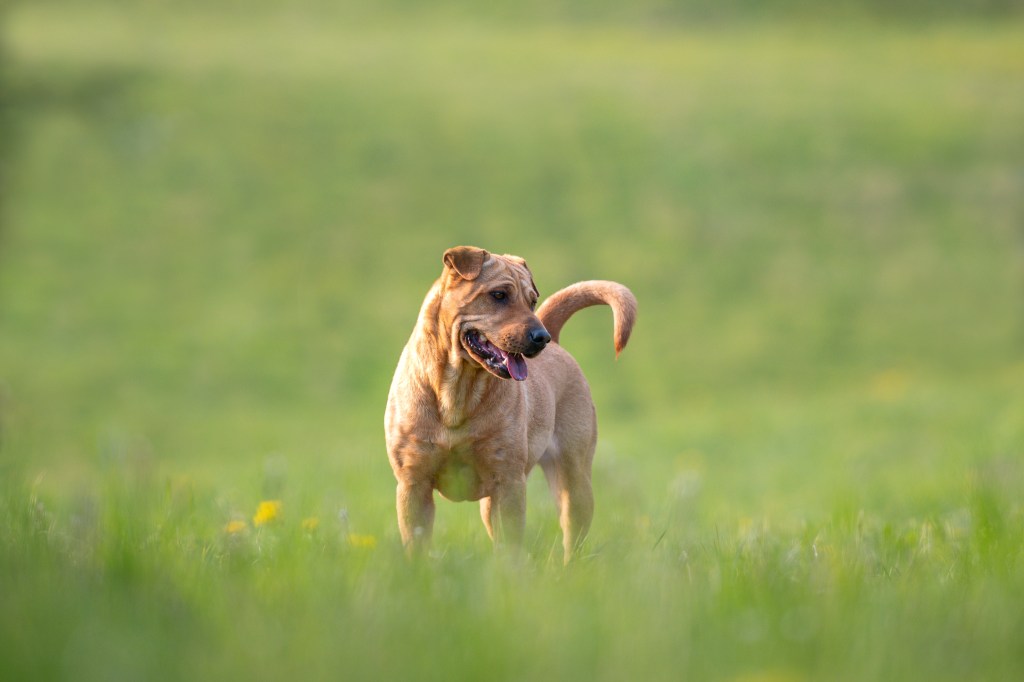
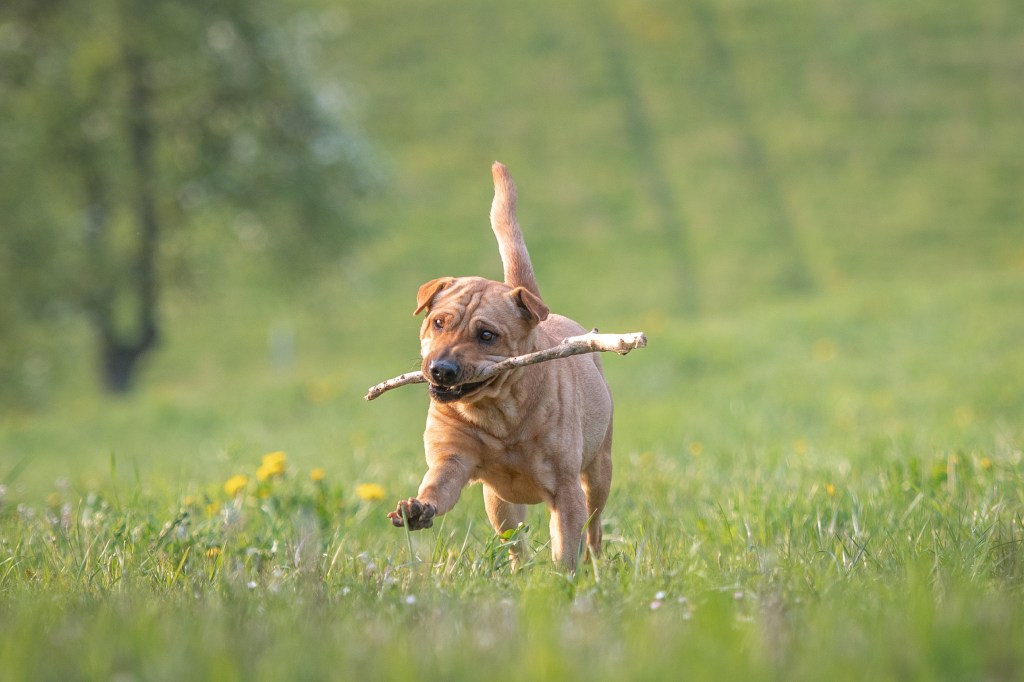
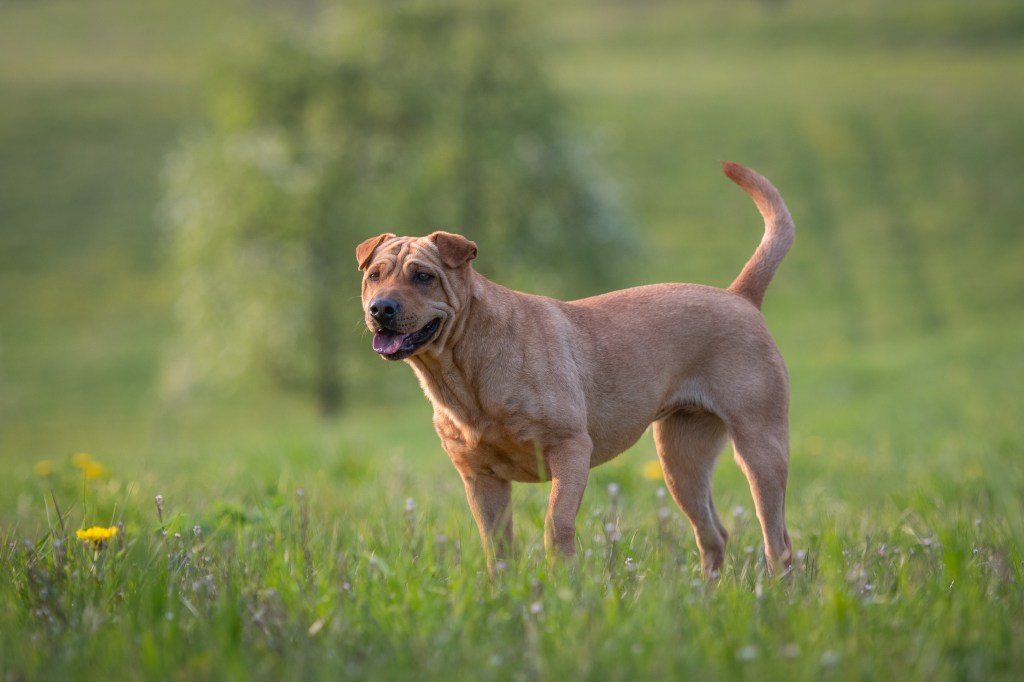
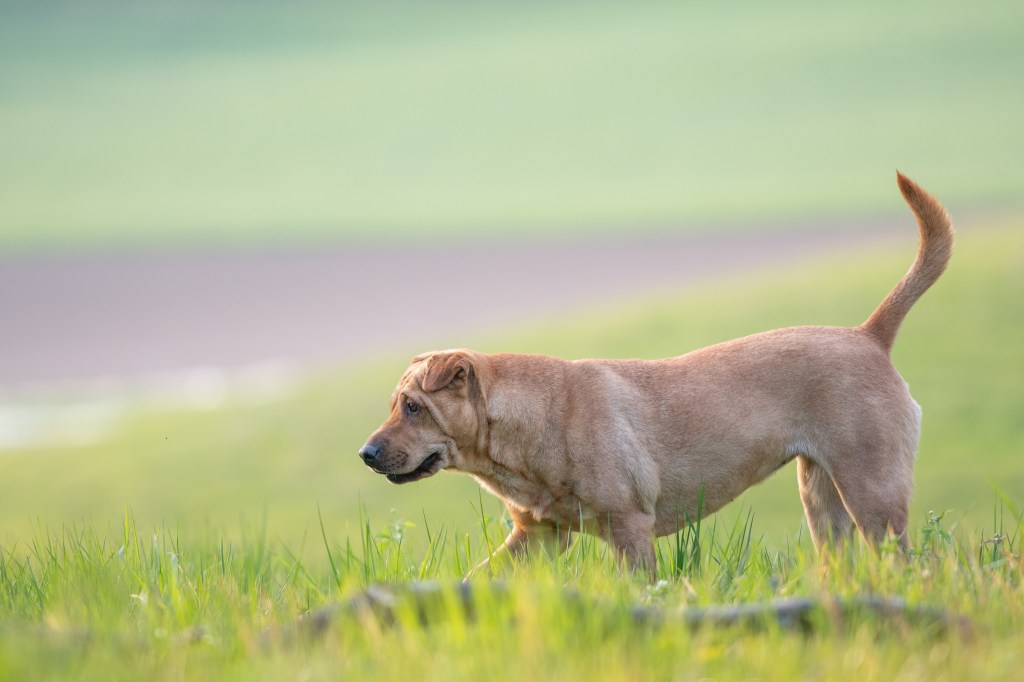
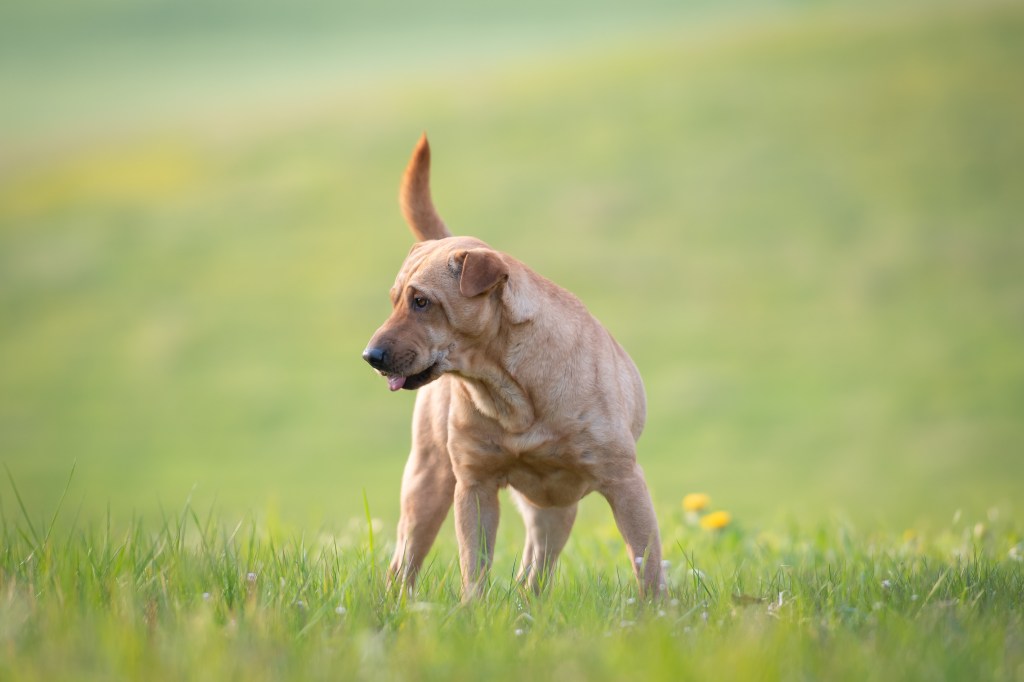
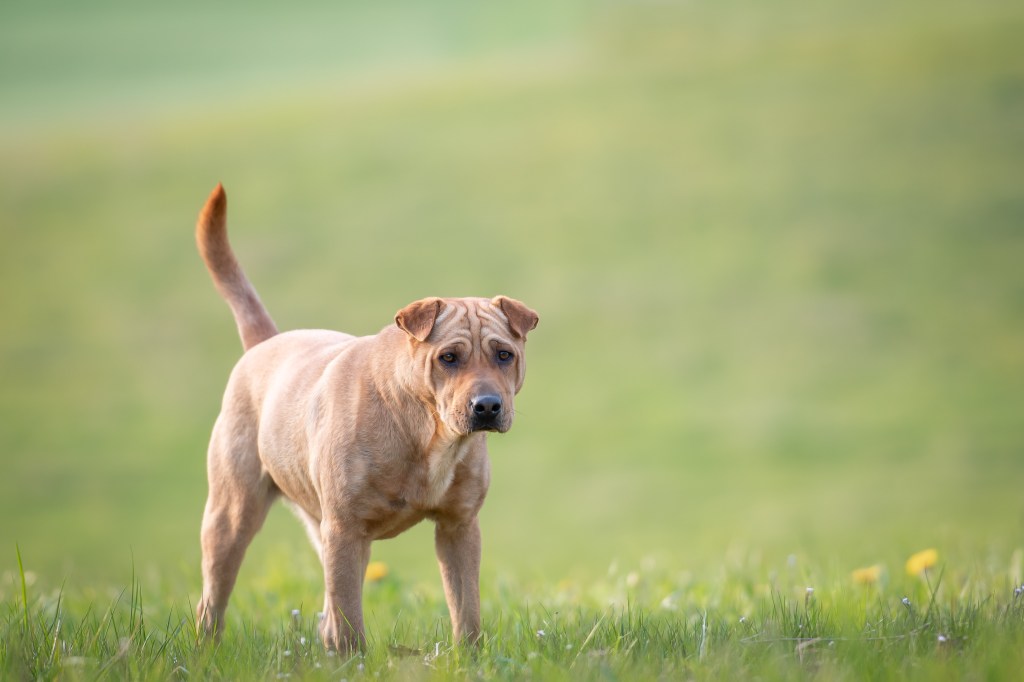
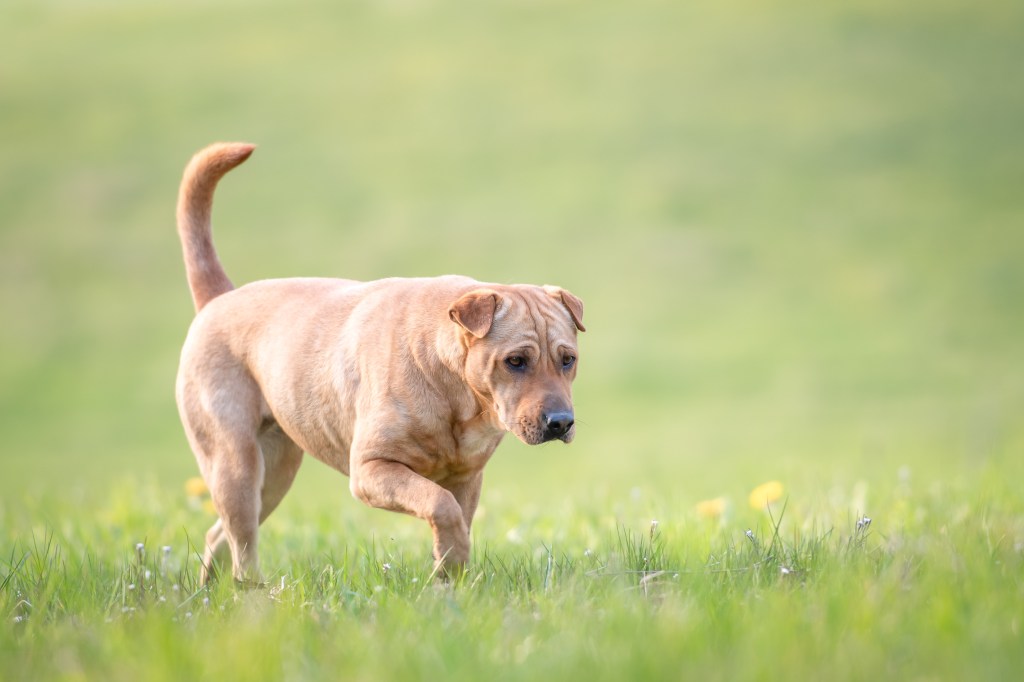
In terms of Shar Pei character, she kept the best of both worlds – whatever the other world that makes her a cross may be. According to the FCI standard, Shar Peis are supposed to be ‘calm, independent, loyal’ and affectionate to their families, but they do have a reputation of being aloof or even suspicious of strangers and not particularly tolerant of other dogs. What sounds like a desirable trait, may become difficult to control if you do not know what you are doing and may lead to a dog that can harm others as well as their owner.
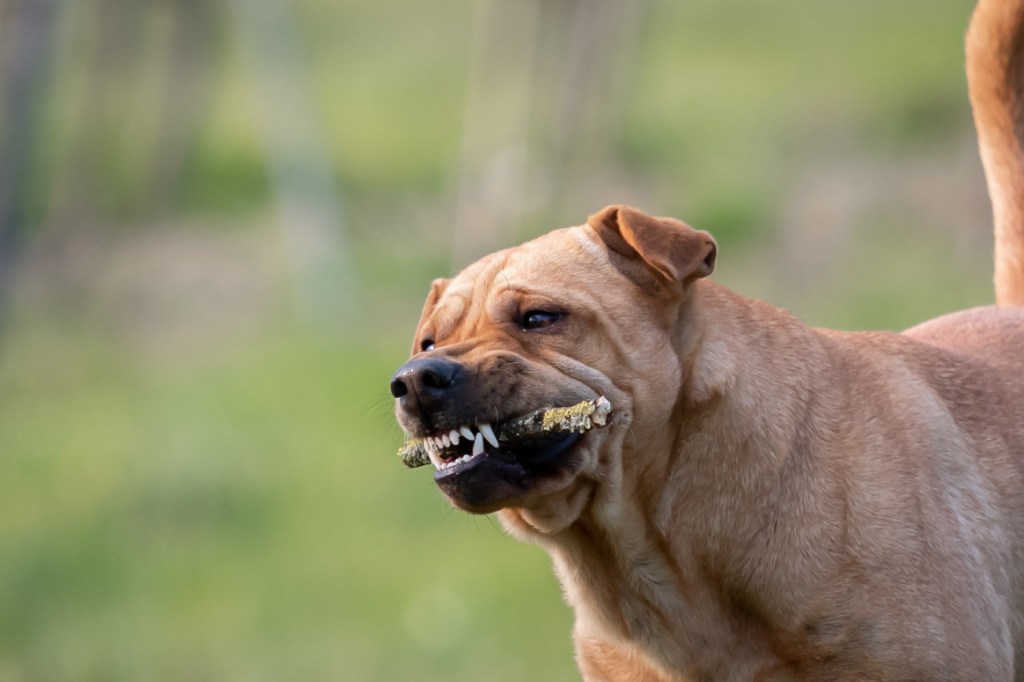
Bonnie, on the other hand, is very friendly, but disinterested in engaging with strangers unless they carry food that they might be inclined to share. She is social with other dogs and likes to engage in play, but always keeps a somewhat dignified composure (as far as such a thing is even possible in a dog). Exuberance or exaggerated activity are not what define her, but she is very willing to please her owner.

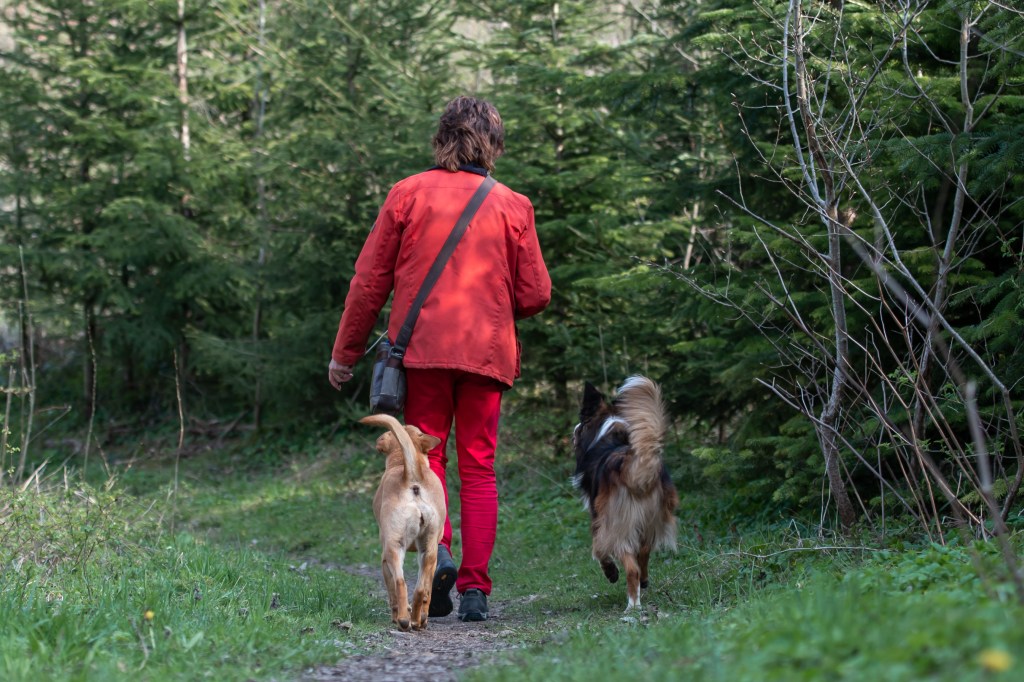
She has learned from Aramis to dig for roots, while she, in turn, has taught him how to chase deer. Neither of the two will show the learned activity on their own, but when out walking together, both of them are happy to throw in a little practice session for their newly developed skills. Unfortunately, the humans around them usually act as terrible spoil-sports.



Ar-eymar 😀 grossartig! Und die Fotos werden laufend (noch) besser!
LikeLike